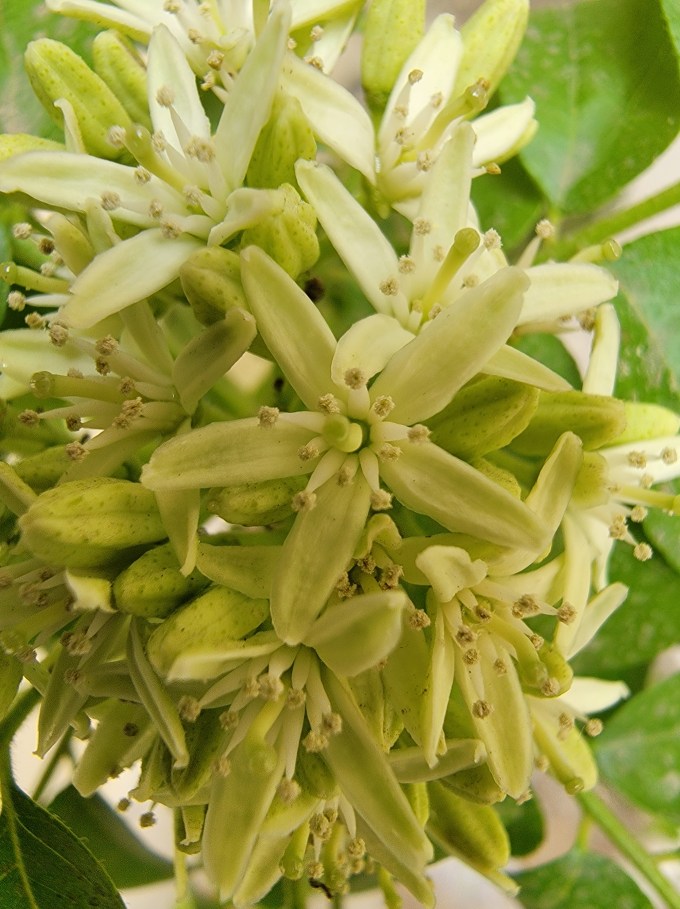
Biological function varies across population of cells, as each single cell has a unique transcriptome, proteome and metabolome that translates to functional differences within single species and across kingdoms (Taylor et al., 2021a).
New plant genes that may be involved in tomato plant resistance to Botrytis cinerea attack was detected by transcriptome analyses (Zhang et al., 2020). The information of an organisms is recorded in the DNA of its genome and expressed through transcriptome. Transcriptomics technology is the study concerned with the examination of mRNA molecules. Transcriptome, i.e. the sum of all its RNA (mRNA, tRNA and rRNA) (Lowe et al., 2017). Transcriptome profile of interacting plant and pathogen cell can provide an insight into signaling processes and molecular event that influences their association (Zhu et al., 2023). Transcriptomic approach allows to study and analyze cellular changes indirectly, but proteomic and metabolic profiling provides a more direct characterization of a cell’s functional output (Zhu et al., 2023). The isogenic cell within tissue contains diverse molecules including proteins, lipids and metabolites, many of which may vary in their composition and concentration in response to environmental and biochemical factors (Taylor et al., 2021b).
Protein-protein interactions are fundamental to all biological processes (Cusick et al., 2005). Vital cellular functions such as DNA replication, transcription, mRNA translation, metabolism, plant defense and signal transduction as well for structural features such as the cytoskeleton require the coordinated action of several proteins that are assembled into an array of multi-protein complexes of distinct composition and structure (Bontinck et al., 2018, Yan et al., 2022). Protein do not function on their own but rather interact with each other and are organized in network of protein complexes and signaling cascade (Bontinck et al., 2018). Organ formation, homeostasis control, plant defense, signal transduction and stress response are comprised of and regulated by dynamic signaling network of interacting proteins that directly or indirectly respond to specific effector molecules (Yan et al., 2022).
During plant-pathogen interaction, protein expression at the plant surface determines whether plant can defend against the pathogen attack. Pathogens produce secretory proteins such as effector -like protein, while the plant in response to the attack secrete suppressor of pathogenic effectors and antifungal proteins, including pathogenesis related protein. The dynamic protein communication between plants and pathogens can be accurately measured by epidermal proteomics (Sidiq et al., 2022). As the epidermal proteomics is a simple method, the differential expression pattern of plant and fungal proteins can be compared among different plant and/or pathogens (host vs. non-host resistance, hemi-biotroph vs. necrotrophic pathogens) (Sidiq et al., 2022). Epidermal proteomic studies show many defense-related proteins are expressed without pathogen attack. This indicates that epidermal plant tissues are vital as the first line of defense against pathogens. The protein communication between plants and pathogens can be accurately measured by epidermal proteomics (Sidiq et al., 2022). Proteomic study in plant aim to identify specific protein related to biotic and abiotic stress. Proteomic approach used: Powdery mildew of sunflower (Helianthus species) is caused by Goloviromyces orontii reported key proteins that are accumulated in resistant genotype which restricts the disease progression (Kallamadi et al., 2018). Wongpia and Lomthaisong (2010) used proteomic technique to identify proteins responding to Fusarium oxysporum in Cpascicum annuum by comparing the protein patterns of healthy plant with that of infected plants.
Plant defends themselves from pathogenic attack via mechanisms including cell wall, fortification, production of antimicrobial compounds and generation of reactive oxygen species. Metabolomics analysis between susceptible or resistant plant, have the potential to reveal perturbations to signaling or output pathways with key roles in determining the outcome of plant microbe interaction (Castro-Moretti et al., 2020). Plant metabolism is categorized into primary and specialized metabolism (Pott et al., 2019). The primary metabolic pathway such as glycolysis, pentose-phosphate pathway and the tricarboxylic acid cycle, serve as a building block for secondary metabolic pathways (Castro-Moretti et al., 2020). Primary metabolism involves compounds critical for growth, development and reproduction of plants, whereas specialized metabolism encompasses compounds needed for the plant to successfully cope with biotic and abiotic stresses (Pott et al., 2019; Castro-Moretti et al., 2020). The association between primary metabolism and defense responses has been drawn from expression analysis of genes encoding transcription factors and metabolic enzymes when Arabidopsis plants were exposed to virulent or avirulent pathogens or pathogen-derived elicitors (Rojas et al., 2014).
In each population of genetically different individual the resistance phenotype may be described as qualitative (complete) or quantitative (partial) (Lapous et al., 2026). The specialized metabolites then have a key role in plant defense as many of them exhibit antimicrobial or insecticidal effect. Genes, protein and metabolites regulated by quantitative resistance in response to pathogen infection are identified using transcriptomics and metabolomics approaches (Kushalappa and Gunnaiah 2013, Kushalappa et al., 2016). Metabolites belonging to the phenylpropanoids, flavonoid and alkaloid chemical groups were highly induced in resistant genotype as compared to susceptible. The resistance to late blight of potato was associated with cell wall thickening due to deposition of hydroxycinnamic acid amides, flavonoids and alkaloids (Yogendra et al., 2015). Changes in mRNA and protein are studied by transcriptomic and proteomics analysis respectively. The product of these genes centered mechanisms are regulated by metabolites (Castro-Moretti et al., 2020). Thus, metabolomics can support transcriptomic, proteomics data adding information on plant-pathogen interaction as well as shedding light on plant response to pathogen attack mechanisms
References:
Bontinck, M., Van Leene, J., Gadeyne, A., De Rybel, B., Eeckhout, D., Nelissen, H. and De Jaeger, G. 2018 Recent Trends in Plant Protein Complex Analysis in a Developmental Context. Front. Plant Sci. 9: 640
doi: 10.3389/fpls.2018.00640
Castro-Moretti, F. R., Gentzel, I. N., Mackey, D. and Alonso, A. P. 2020 Metabolomics as an Emerging Tool for the Study of Plant-Pathogen Interactions. Metabolites 10(2): 52
doi: 10.3390/metabo10020052
Cusick, M. E., Klitgord, N., Vidal, M. and Hill, D. E. 2005 Interactome: Gateway into System Biology. Hum. Mol. Genet. Spec No. 2: R171 – R181
doi: 10.1093/hmg/ddi335
Kallamadi, P. R., Dandu, K., Kirti, P. B., Rao, C. M., Thakur, S. S. and Mulpuri S. 2018 An Insight into Powdery Mildew-Infected Susceptible, Resistant and Immune Sunflower Genotypes. Proteomics 18(16): e1700418
doi: 10.1002/pmic.201700418
Kushalappa, A. C. and Gunnaiah, R. 2013 Metabolo-Proteomics to discover Plant Biotic Stress Resistance Genes. Trends Plant Sci. 18(9): 522 – 531
doi: 10.1016/j.tplants.2013.05.002
Kushalappa, A. C., Yogendra, K. N. and Karre, S. 2016 Plant Innate Immune Response: Qualitative and Quantitative Resistance. Crit. Rev. Plant Sci. 35(1): 38 – 55
doi.org/10.1080/07352689.2016.1148980
Lapous, R., Amegan, K. E., Caromel, B., Durel, C-E., Lavoir, A-V., de Carvalho, J. F. and Larbat, R. 2026 When Metabolomics Meets Quantitative Genetics: An Integrative Strategy to Elucidate Plant Resistance Mechanisms. Plant Cell Environ. 49(3): 1712 – 1727
doi.org/10.1111/pce.70328
Lowe, R., Shirley, N., Bleackley, M., Dolan, S. and Shafee, T. 2017 Transcriptomics Technologies. PLoS Comput. Biol. 13(5):e1005457
doi: 10.1371/journal.pcbi.1005457
doi: 10.3389/fpls.2019.00835
Rojas, C. M., Senthil-Kumar, M., Tzin, V. and Mysore, K. S. 2014 Regulation of Primary Plant Metabolism During Plant-Pathogen Interactions and its Contribution to Plant Defense. Front. Plant Sci. 5: 17
doi: 10.3389/fpls.2014.00017
Sidiq, Y., Tamaoki, D. and Nishiuchi, T. 2022 Proteomic Profiling of Plant and Pathogen Interaction on Leaf Epidermis. Int. J. Mol. Sci. 23(20): 12171
doi: 10.3390/ijms232012171
Taylor, M. J., Lukowski, J. K. and Anderton, C. R. 2021a Spatially Resolved Mass Spectrometry at the Single Cell: Recent Innovations in Proteomics and Metabolomics. J. Am. Soc. Mass Spectrom. 32(4): 872 – 894
doi: 10.1021/jasms.0c00439
Taylor, M. J., Mattson, S., Liyu, A., Stopka, S. A., Ibrahim, Y. M., Vertes, A. and Anderton, C. R. 2021b Optical Microscopy-Guided Laser Ablation Electrospray Ionization Ion Mobility Mass Spectrometry: Ambient Single Cell Metabolomics with Increased Confidence in Molecular Identification. Metabolites 11(4): 200
doi: 10.3390/metabo11040200
Wongpia, A. and Lomthaisong, K. 2010 Changes in the 2DE Protein Profiles of Chilli Pepper (Capsicum annuum) Leaves in Response to Fusarium oxysporum Infection. ScienceAsia 36(4): 259 – 270
doi: 10.2306/scienceasia1513-1874.2010.36.259
Yan, S., Bhawai, R., Yin, Z., Thannhauser, T. W. and Zhang, S. 2022 Recent Advances in Proteomics and Metabolomics in Plants. Mol. Hortic. 2: 17
doi: 10.1186/s43897-022-00038-9
Yogendra, K. N., Kushalappa, A. C., Sarmiento, F., Rodriguez, E. and Mosquera, T. 2015 Metabolomics Deciphers Quantitative Resistance Mechanisms in Diploid Potato Clones against Late Blight. Funct. Plant Biol. 42(3): 284 – 298
doi.org/10.1071/FP14177
Zhang, M-Z., Sun, C-H., Liu, Y., Feng, H-Q., Chang, H-W., Cao, S-N., Li, G-H., Yang, S., Hou, J., Zhu-Salzman, K., Zhang, H. and Qin, Q-M. 2020 Transcriptome Analysis and Functional Validation Reveal a Novel Gene, BcCGF1, that Enhances Fungal Virulence by Promoting Infection-Related Development and Host Penetration. Mol. Plant Pathol. 21(6): 834 – 853
doi.org/10.1111/mpp.12934
Zhu, J., Moreno-Perez, A. and Coaker, G. 2023 Understanding Plant Pathogen Interactions Using Spatial and Single-Cell Technologies. Commun. Biol. 6: 814
doi: 10.1038/s42003-023-05156-8




 BIOLOGICAL PROCESSES- A NATURE'S GIFT